

Summer Sports Safety
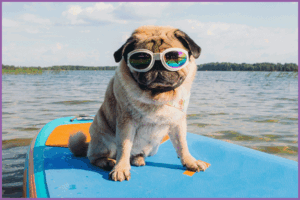 If you enjoy outdoor summer sports, use the following tips to help ensure that you and your family stay safe while out in the heat.
Preparing for Outdoor Activities
No matter which summer activity you choose, use the following general safety tips before you begin:
- Keep your equipment in good condition. Purchase equipment that is designed specifically for each activity. You may want to have your equipment professionally serviced at the beginning of the season.
- Use sunscreen, even on cloudy days. The sun’s rays can be powerful and dangerous even if you cannot see the sun.
- Wear proper eye protection and other safety equipment.
- Know how to perform basic first aid and CPR manoeuvres, and learn how to recognize and treat heat stroke and sunburn.
- Always abide by the rules of the sport you are participating in. Before beginning a sport or other activity, be sure that the participant understands the rules and team requirements of the athletic pursuit.
- Always wear the proper apparel and protective gear for the sport, both during games and when practicing. Helmets should always be worn when playing football, baseball, softball and hockey, and when engaging in wheel/blade activities (bicycling, rollerblading, skating and skateboarding).
- Drink enough liquids before, during and after an activity. Water and special sports drinks help replenish the body’s vital fluids, especially while indoors and outside in hot temperatures.
Bicycle Safety
- Always wear a bicycle helmet that is comfortable and fits snugly. Studies have shown that using bicycle helmets can reduce head injuries by up to 95 percent.
- Avoid wearing anything that could get tangled in the bike’s chain or other moving parts. Wear clothing specifically designed for bicycling whenever possible. Light-coloured clothing is best, and clothing should be marked with reflective materials to improve visibility.
- Avoid busy streets to reduce your risk of having a collision with a car. Although most provinces have laws that allow bicycles to ride in traffic, many drivers do not stay on the lookout for cyclists.
- Use both front and rear lights, especially when riding at night. Many bicycle shops have headlights and taillights that can increase your visibility to other motorists.
- Always assume that motorists do not see you and will not be able to avoid you. Stay alert and aware, and ride in such a way that you will be able to avoid motorists.
- Obey all traffic signs and signals, and ride with, not against, the flow of traffic. Use hand signals whenever you make a turn and always look before changing lanes.
Skateboard and Skating Safety
- Wear the right safety gear. Make sure that you have a properly fitting helmet, elbow and knee pads, and wrist guards. You may also want to wear gloves that will protect the palms of your hands if you do fall. When skateboarding, make sure to wear shoes that provide adequate coverage and are slip-resistant.
- Learn how to stop. Avoid heavily trafficked areas, such as bike trails and streets, until you can turn and stop to avoid a collision. Parking lots can be good places to practice, but be careful to watch for traffic entering and exiting the lot.
- Avoid steep hills and sharp turns until you are confident in your abilities. Slow down when necessary to avoid falling, and do not hesitate to turn around or remove your skates if you need to walk down a hill.
- Walk trails, paths, and sidewalks you plan to skate to be sure there are no hazards. In parks that have closed hours, watch out for chains and other barriers not readily visible in the dark.
- When skateboarding, carry your skateboard through crosswalks.
- Never hang onto a moving vehicle when on your bike, skates or skateboard. Do not try to ride a skateboard, scooter or bicycle with more than one person.
- Learn how to fall. If you are losing your balance, crouch down so that you will not have so far to fall. In the fall, try to stay relaxed and roll instead of absorbing the force with your arms.
This article is provided by ComPsych Guidance Resources, your Member and Family Assistance Plan provider. If you liked this article, check out http://www.guidanceresources.com for more helpful information on managing your well-being.